The Ngorongoro Crater is one of Tanzania’s most extraordinary safari destinations, a place where spectacular landscapes and exceptional wildlife viewing come together in a setting unlike anywhere else in Africa. Formed by the collapse of a massive volcano millions of years ago, the crater is now a lush, wildliferich haven often described as a natural wonder.
A Landscape Like No Other
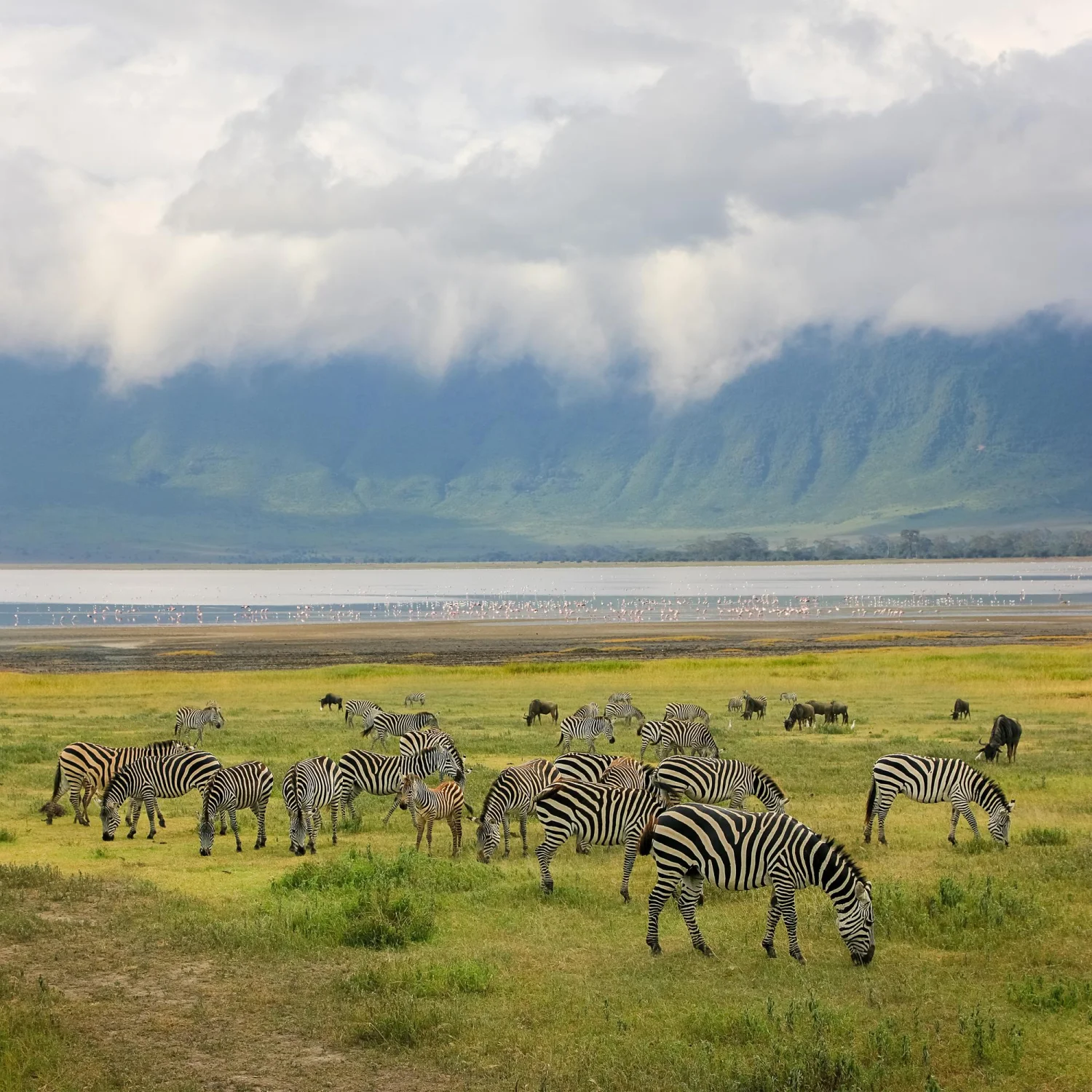
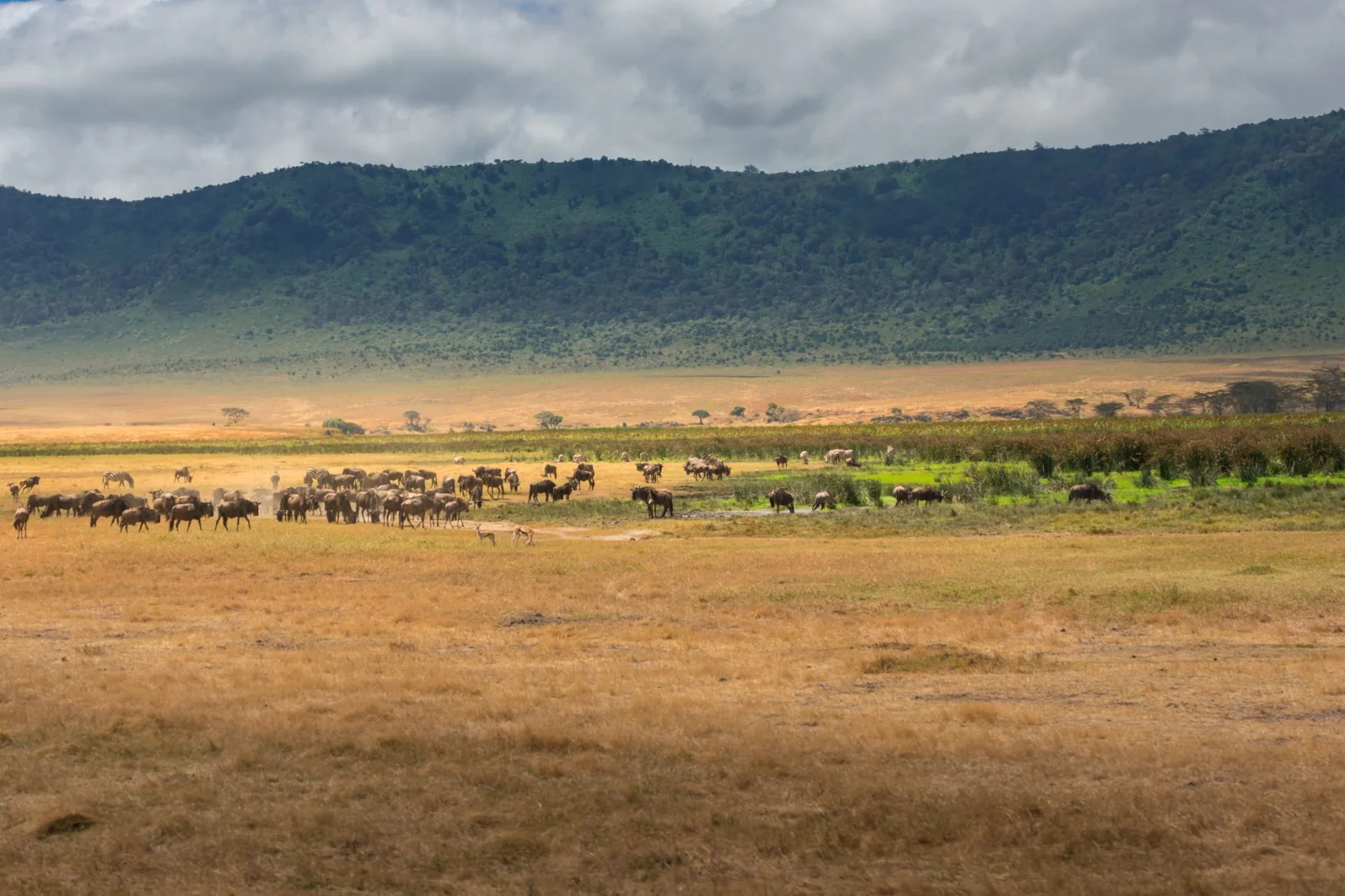
The crater’s steep, forested walls encircle a vast, open floor of grasslands, lakes, and acacia woodlands. This unique ecosystem creates a natural sanctuary where animals thrive yearround. From the rim, sweeping views reveal one of the most iconic panoramas in East Africa.
Wildlife Highlights
Ngorongoro is home to an impressive density of animals, making it ideal for short but rewarding game drives.
Visitors can encounter:
- Large herds of zebras, wildebeest, and buffalo
- Lions and hyenas roaming the plains
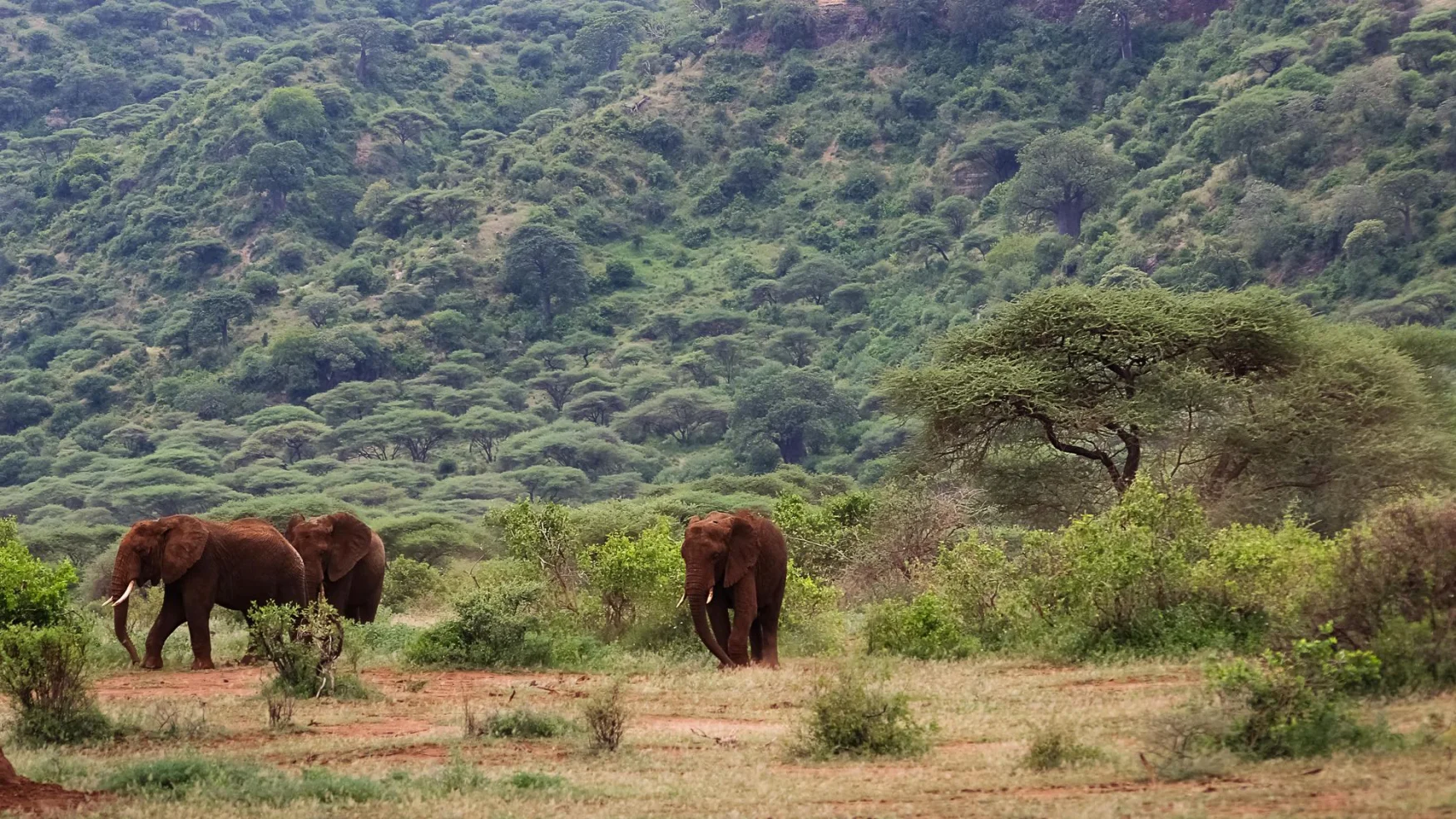
- Elephants wandering the forests
- Hippos and flamingos around the lakes
- One of the best chances in Tanzania to spot the Big Five (lion, leopard, elephant, black rhino and buffalo)
Because the crater floor is compact and wildlife is abundant, sightings are frequent and diverse.
A UNESCO World Heritage Site
Recognized for both its natural beauty and archaeological significance, the Ngorongoro Conservation Area protects wildlife alongside Maasai communities who continue to live and herd cattle in the region. This blend of culture and nature adds depth to any visit.
Best Time to Visit
The crater offers excellent wildlife viewing throughout the year. The dry season (June–October) provides the clearest conditions, while the green season brings lush scenery and fewer visitors.
Why Visit
- Exceptional wildlife density in a compact area
- Stunning crater landscapes and viewpoints
- A UNESCOlisted conservation area with cultural heritage
- Ideal for a fullday safari or as part of a northern Tanzania itinerary